Eunice Day Bliss
Letter from Eunice Day Bliss, class of x-1847, to Edmund F. Fly, March 10, 1847:
“I have commenced studying Geology and like it very much. Our teacher, Miss Whitman, is very well acquainted with the science having passed the summer in Dr. Hitchcock’s family and attended his lectures. We have quite a little cabinet, but are very glad of the accessions to it. I believe it is not considered very disreputable to beg in such a case, is it? At any rate I will venture to hint to you, that if you sometimes have some specimens to spare, and a very good opportunity to send, such a gift would be duly appreciated.
…We have been blessed with a very interesting revival this winter. 50 or 60 were hopefully converted, and the appearance of the school is very much changed. I was astonished at the wisdom with which Miss Lyon conducted the school at the time… She says a great deal about carrying religion into every duty of life — of doing every thing for God. She devoted several evenings to the subject of missionary contributions.”
Eunice Day Bliss left Mount Holyoke after attending for only six months, when she was asked by Reverend Isaac Bliss to marry and follow him to Turkey. They married on May 9, 1847 and on June 16, 1847, sailed from Boston to Smyrna (Izmir), where the couple spent 36 years as missionaries in Constantinople (Istanbul). They were forced to return to the United States due to her husband’s health in 1851, and returned to Turkey in 1857. Reverend Bliss died in 1889 on a short mission to Egypt. Her husband’s death was the only recorded time Bliss was in Egypt, where her donation originated. Her son William Bliss took his father’s place at the Bible House in Constantinople. Bliss died in a sanitarium in New York City in 1916. The couple’s granddaughter, Virginia Monroe Bliss Blatchford, graduated from Mount Holyoke College in 1921. Blatchford became head nurse at the American University of Beirut.
Aura J. Beach
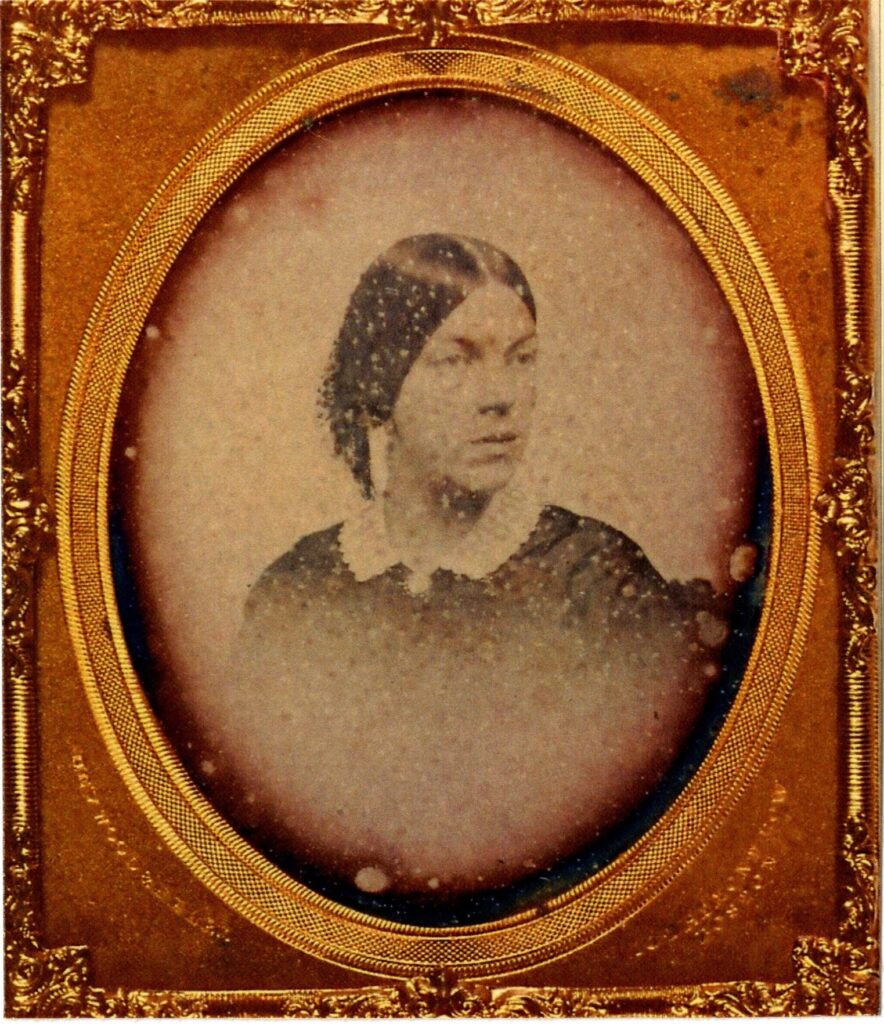
In a 1866 class letter, Aura J. Beach, class of 1859, reflects on the first letter she wrote to her class, “My 1st letter to my dear classmates was written at Dr Riggs’ in Constantinople, when my heart was full of hope and no thought of the long season of suffering before me once entered my mind. Yet these four years of pain, weariness and bitter suffering have been blessed with wonderful tokens of God’s love.”
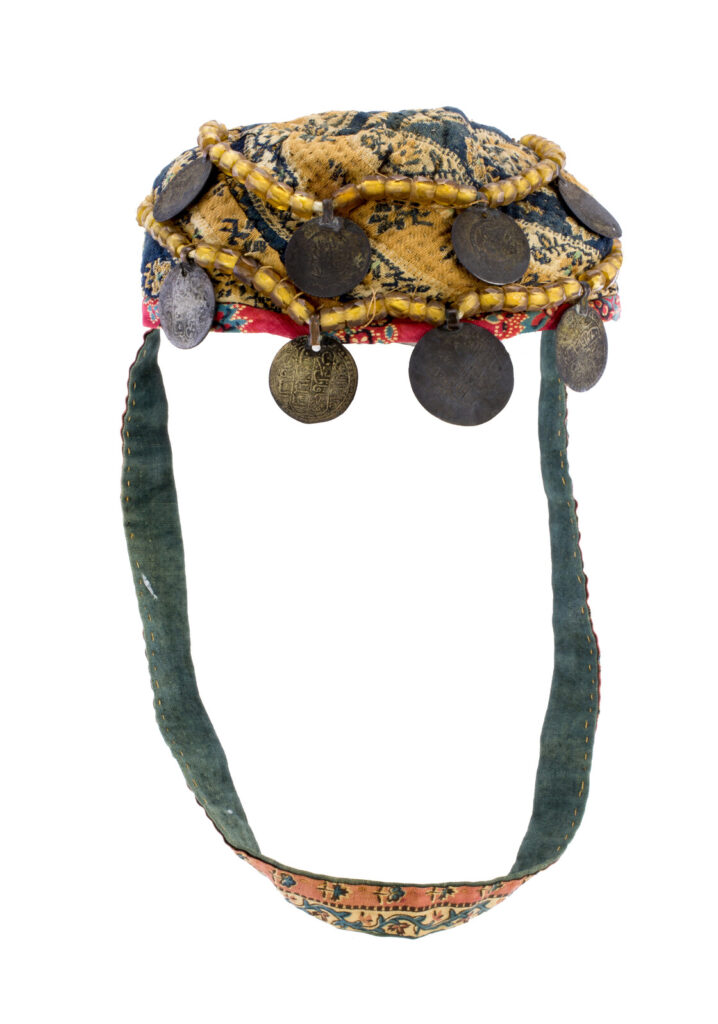
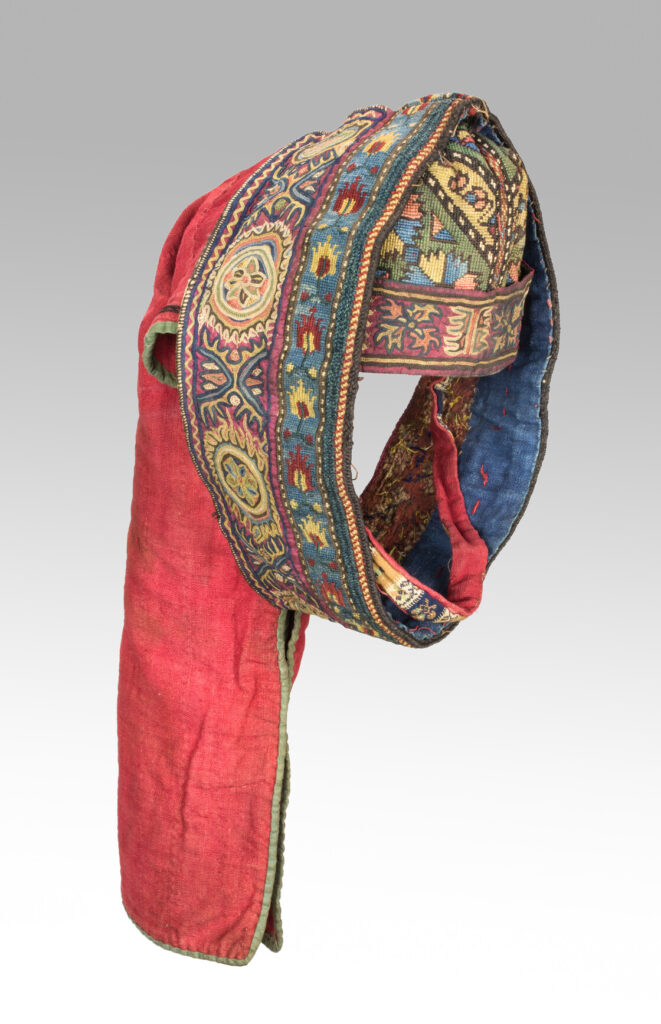
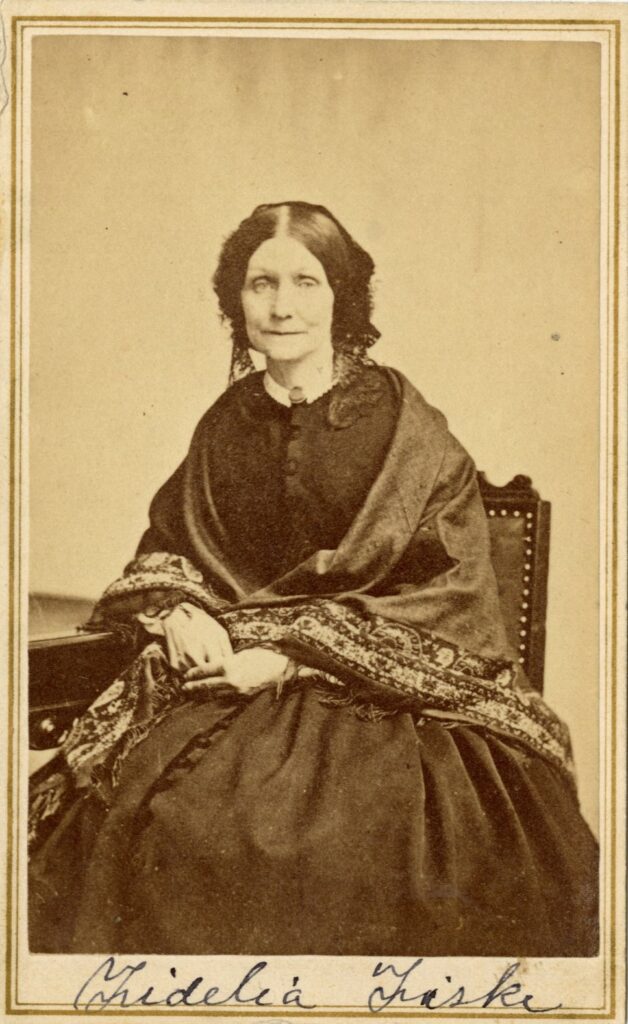
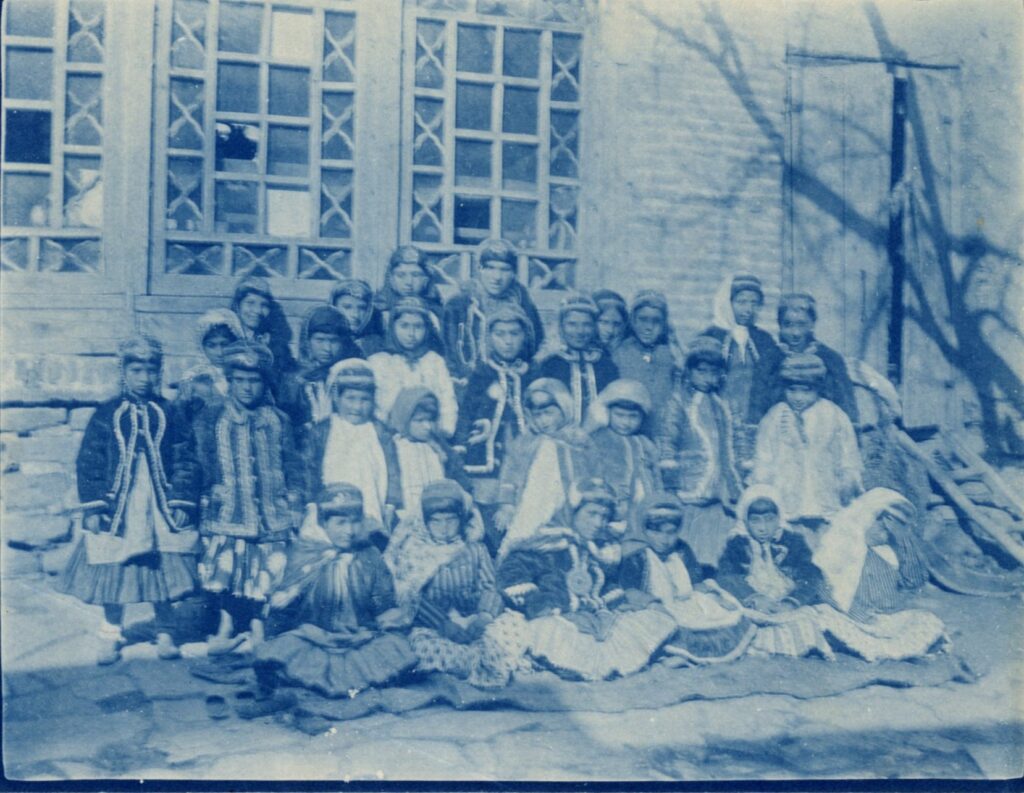
On February 13, 1860 Beach sailed with several Massachusetts friends to Smyrna (Izmir), then traveled to Constantinople (Istanbul), before reaching Fiske Seminary in Oroomiah. By this time Fidelia Fiske, an early graduate of Mount Holyoke Seminary from the class of 1842 and for whom the Fiske Seminary was named following her death in 1864, had been forced to return to the United States due to illness in 1858. Many teachers at the school suffered from frequent illness, and Beach became ill as well, struggling with a spinal disease that forced her to return to the United States, where she worked as a teacher until her death in 1884.
Fidelia Fiske
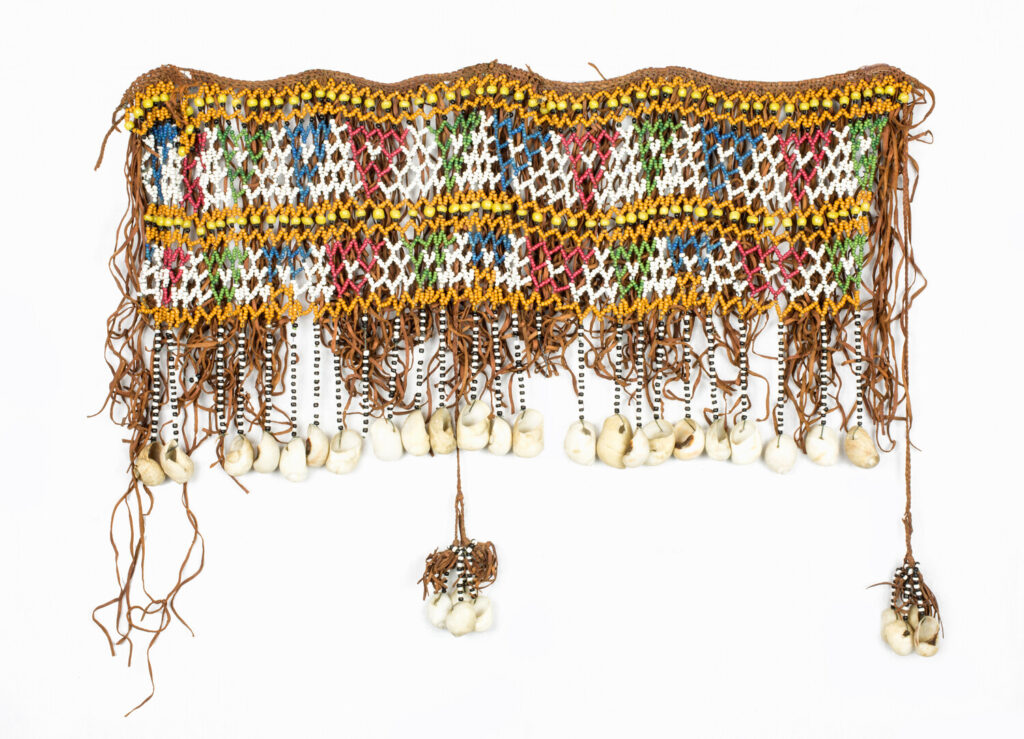
Louisa Healey Pixley
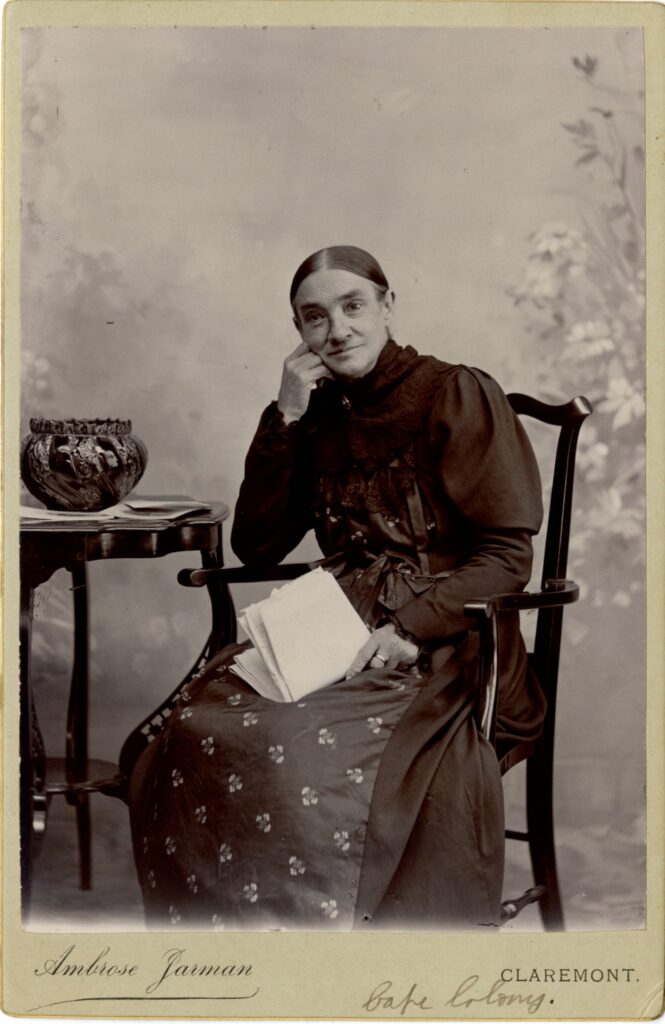
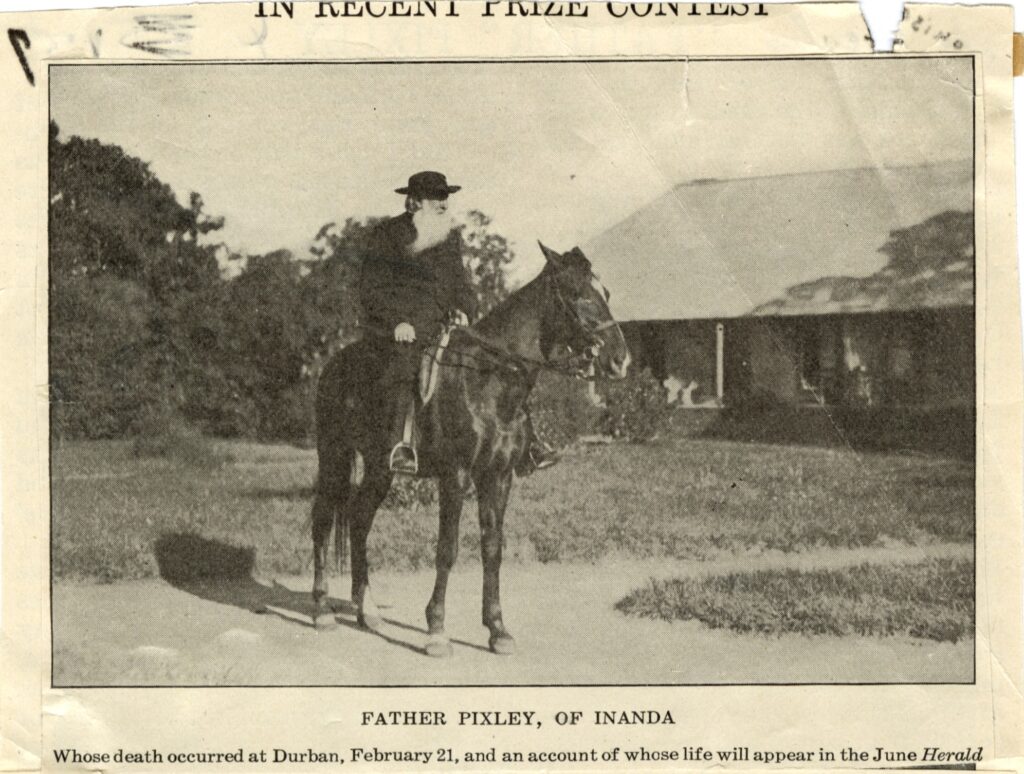
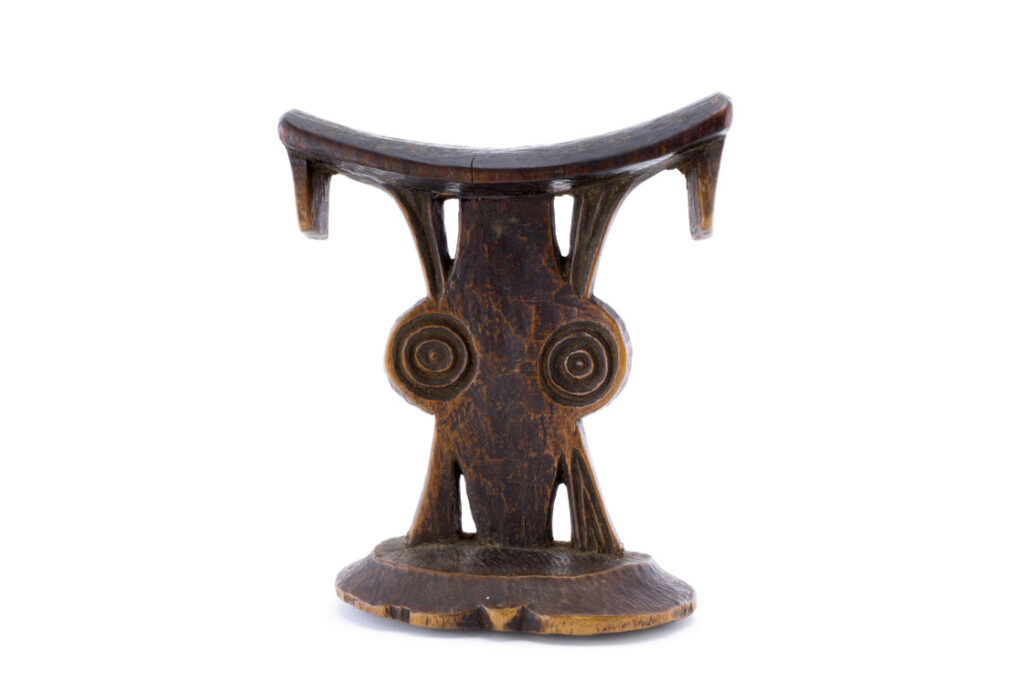
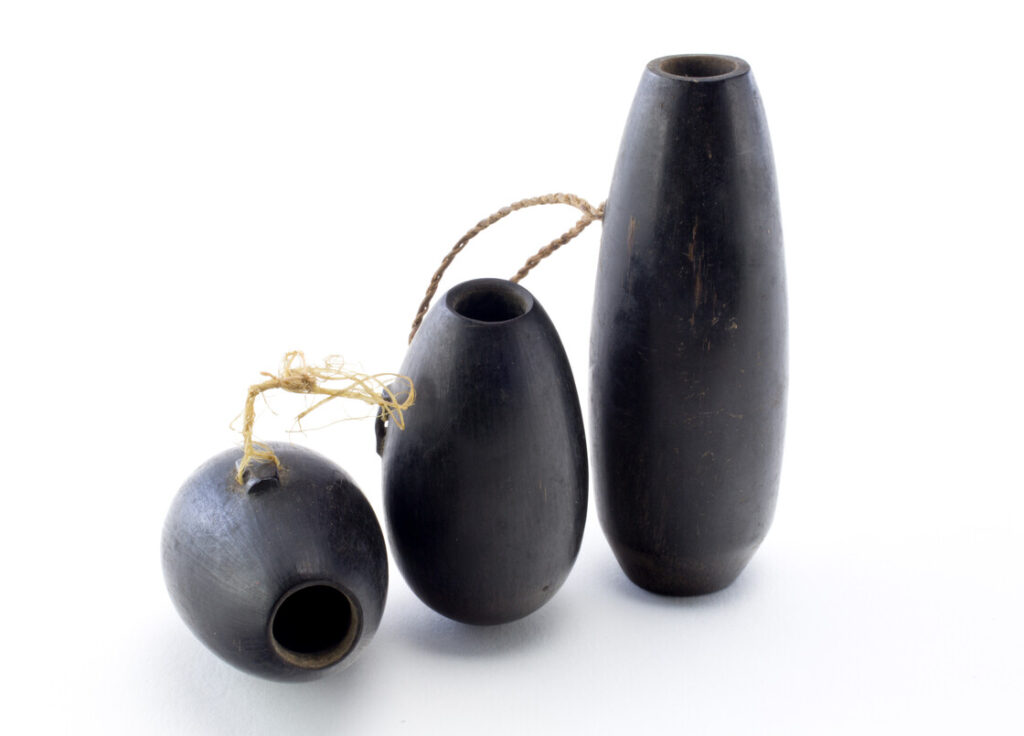
Louisa Healey Pixley attended Mound Holyoke Female Seminary for only a year from 1856 to 1857 after which she with her new husband, Reverend Stephen Clapp Pixley, went to Natal (KwaZulu-Natal), South Africa, where she worked as a missionary for the next 45 years. Her missionary work started in the city of Durban, then Manzintote, and finally Inanda, where she died. Her daughter, Martha Hannah Pixley attended Mount Holyoke Female Seminary and graduated in 1886, before returning to Inanda and working at the mission with her mother. Pixley documented very little of her travels and missionary work, other than the difficulty of travel and her failing health due to tuberculosis in her last days, despite the requests of her daughter Martha. During her time as a missionary, she worked primarily with the Zulus, who suffered a tragic defeat at the hands of the British in the 1879 Anglo-Zulu War, which forced them to lose much of their land. Pixley made two trips back to the United States in 1881 and 1889. It is likely she donated several Zulu items to the College during these trips, though it is unknown how the items came into her possession.
Alice Gordon Gulick
Alice Gordon Gulick, class of 1867, married Alvah B. Kittredge in 1870, who died soon after their marriage. After his death she made a donation to the American Missionary Board, adding on a slip of paper “and myself when counted worthy.” She was appointed by the board to go to Spain. When asked how she would reach Spain, she wrote, “Because it is the will of my Master.” In 1871, she married the Reverend William Hooker Gulick. Her abrupt choice to marry him was documented in a letter to her friend Emily, November 12 1871:
“Although I am not writing you a note, still I want to write a short one tonight telling you of the great change in my plans for life-
I have decided to go to Spain as a missionary with Rev. Lin Gulick of New York City.
I cannot tell you of the processes of my mind, through which I have been led to take this step- but only this- that it seems evidently God’s will- and I am only happy in carrying it out.”
Gulick and her husband founded the International Institute in 1877 after the end of Spain’s third Carlist War. In 1898 the Institute was forced to move due to the Spanish-American War and relocated to Biarritz, France for the duration of the war. She wrote, “At twenty minutes past six, Saturday morning, April 23rd, forty five persons, including Miss Webb and Miss Huntington, moved out of the station and that chapter of our mission life of twenty five years in Spain was closed.” The school remained in Biarritz until 1903 before moving to Madrid, where it continues to operate. Her daughter Elizabeth M. Gulick graduated from Mount Holyoke in 1902. Alice’s other daughter, Grace Gulick, went on to teach at the Institute after her death.