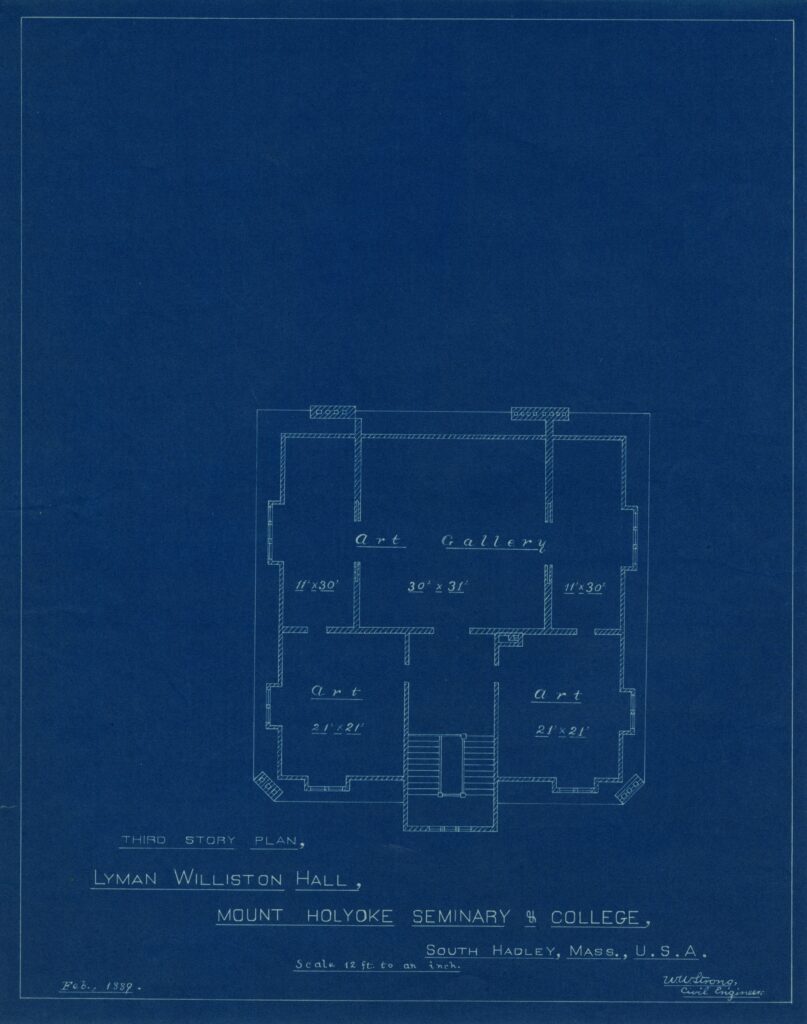
Plans for a new building for natural sciences and art were started in 1873, at a time when interest in art museums was growing around the country. The proposed building was named Williston Hall, after Mount Holyoke Female Seminary Trustee A. Lyman Williston who donated the funds for its construction. The basement and first two floors of Williston housed laboratories, lecture halls, libraries, and display cabinets for the departments of botany, geology, physiology, and zoology among others. The top floor housed an art gallery as well as spaces for courses in art and archaeology to be taught.
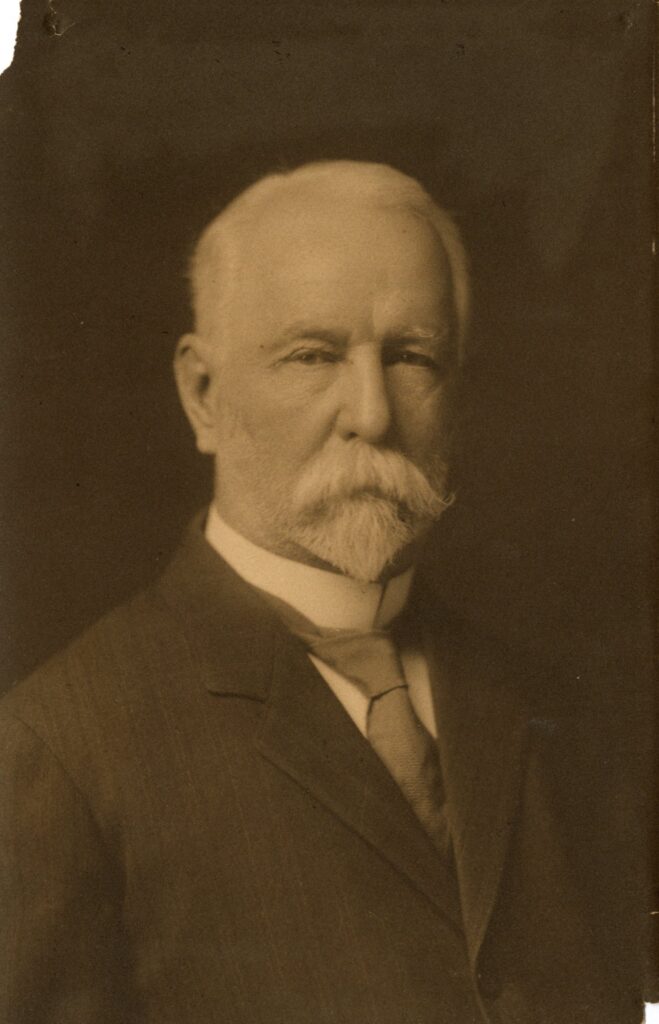
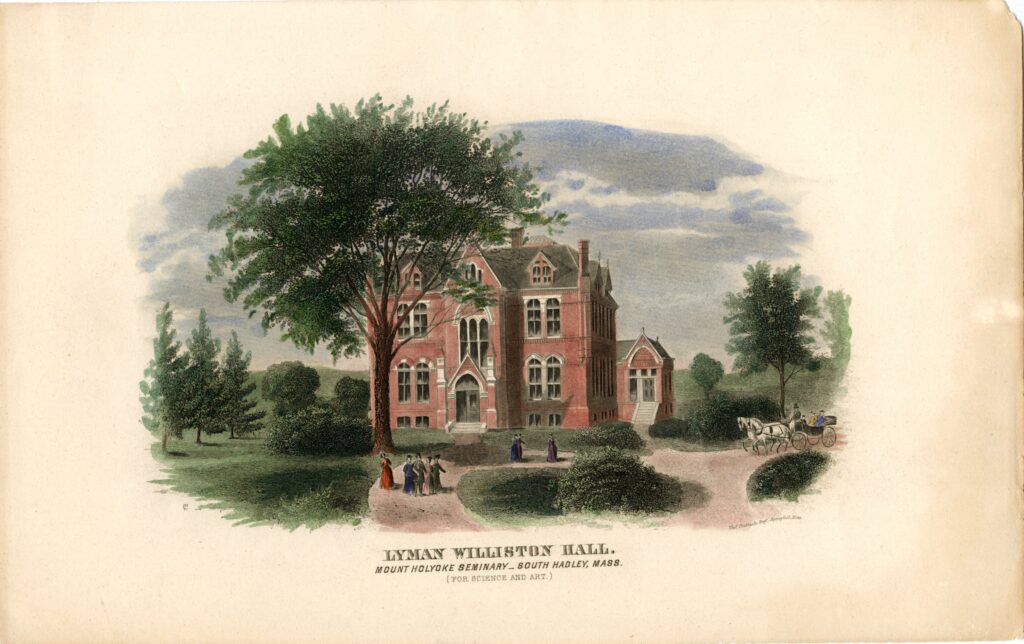
In a letter requesting donations from alumnae, the principal of the Seminary Julia E. Ward wrote, “in the department of art we are especially needy, and we solicit paintings, engravings, photographs, statue busts, coins and other articles suitable for such a collection.” Her call was readily answered by the community and in 1876 at the dedication of the building two artworks were gifted: the painting Hetch Hetchy Canyon by the popular landscape artist Albert Bierstadt, and Morning Glory, a marble medallion by John Adams Jackson. Both of these works remain in the art museum’s collection today.
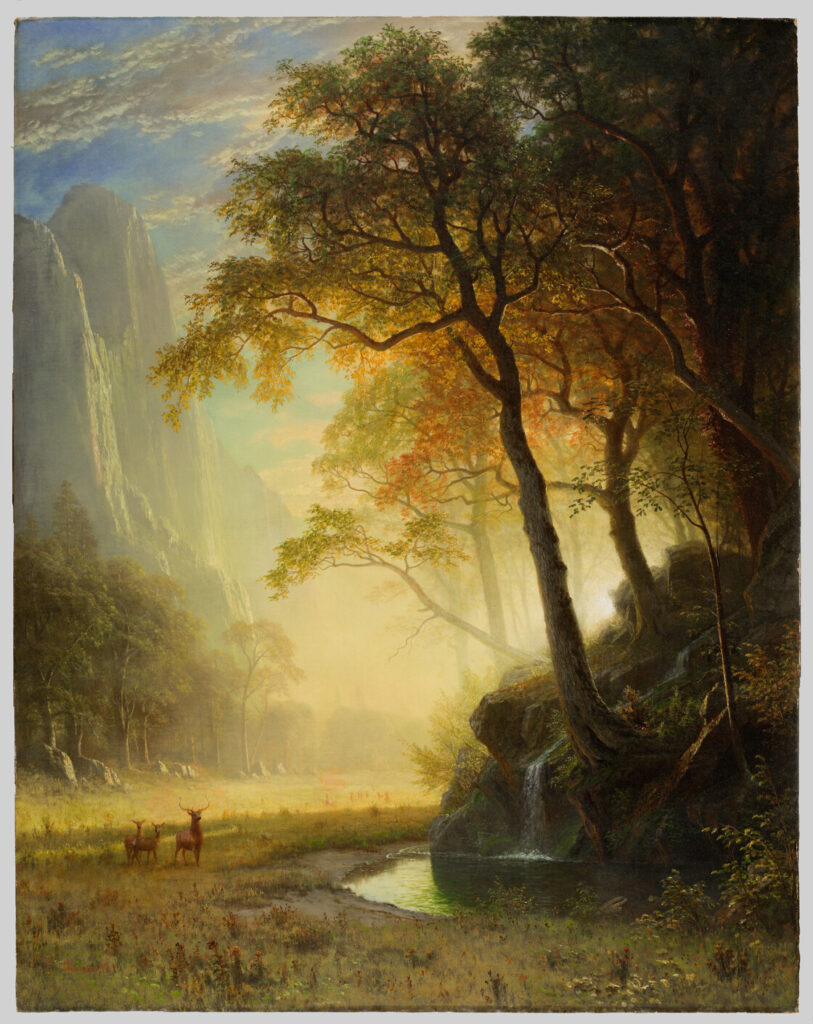
Albert Bierstadt’s Hetch Hetchy Canyon has been a fixture of the museum for the entirety of its existence. A well-known member of the Hudson River School, Albert Bierstadt’s paintings were sought after and often expensive. The addition of a Bierstadt to the Mount Holyoke art gallery helped to legitimize its art collection. In 1876, the painting was purchased by Sarah J. Hinckley Sawyer and Sarah Tappan Stoddard Williston, the wives of two trustees, one being A. Lyman Williston, the namesake of the newly built Williston Hall. In a letter to the two women, the artist expressed his hope to “see the picture there [Williston Hall gallery] and to know that it has been a source of pleasure to those who have had access to it.” The painting certainly has been a source of pleasure to many generations of students, as evidenced by the many letters in the College archives:
“The best one of the whole was one of Bierstadt’s […] a mountain scene [Hetch Hetchy Canyon]. I recognized it as his before I looked at the name: His paintings are always grand. It seems to me that he puts more soul into a bleak mountain side or a thunder cloud than those old masters that folks rave about put into their impossible saints that have to have rings around their heads to distinguish them from sinners.” – Louisa Bailey Whitney, class of 1868, in a letter dated July 22, 1887.
“Do you remember the painting of the Hetch-Hetchie Canon [sic] that in our day hung in the Art Rooms of the upper floor of Williston hall? Not long since, I saw it in the present Art Gallery [in Dwight Hall], and it had for me much the same fascination as in the days when I had seen few great pictures. The wonderful haunting golden haze that gives ideality to the scene is not unlike the golden haze through which one looks backward to college days,” – Mary P. Anderson, class of 1889, in a letter dated June 3, 1914.
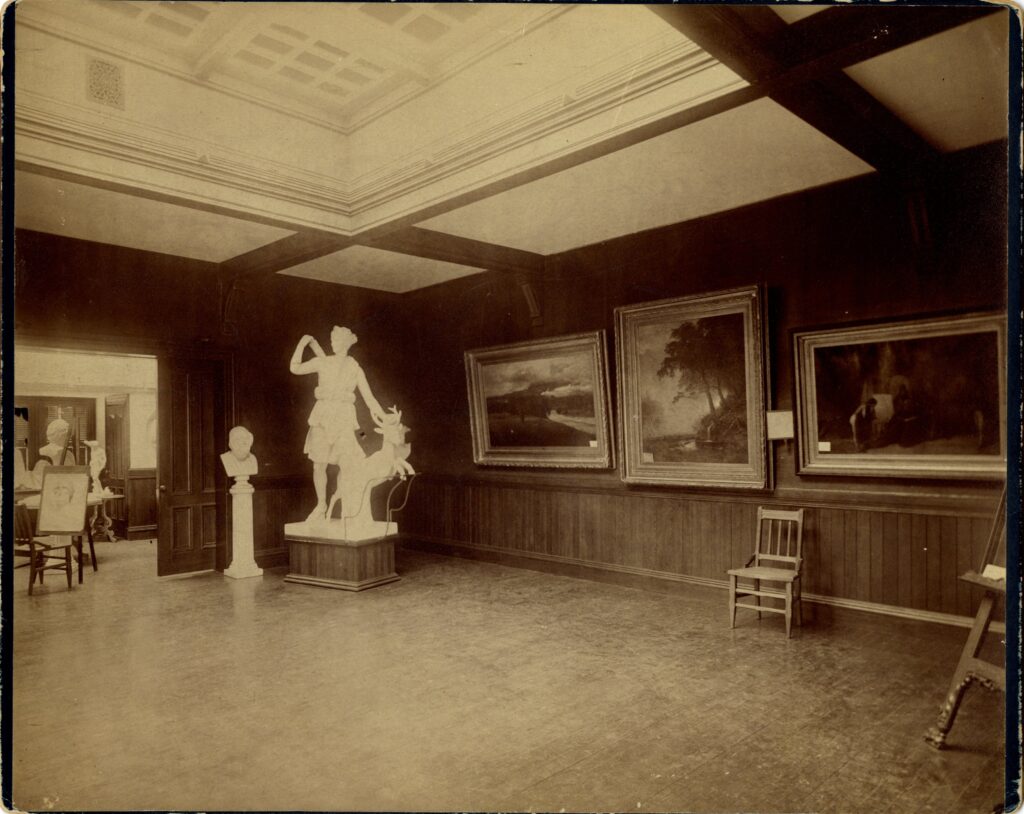
The paintings on the wall of the Williston art gallery, circa 1880, photo are, from left to right, Conway Meadows by George Inness, Hetch Hetchy Canyon by Albert Bierstadt, and Leonardo da Vinci with his Pupils by Edwin White. All were 19th century American contemporary artists. Despite Mount Holyoke’s focus on women and its commitment to women’s education, the gallery did not collect any major works from women artists besides works created by the Seminary’s own teachers and students until the 20th century.
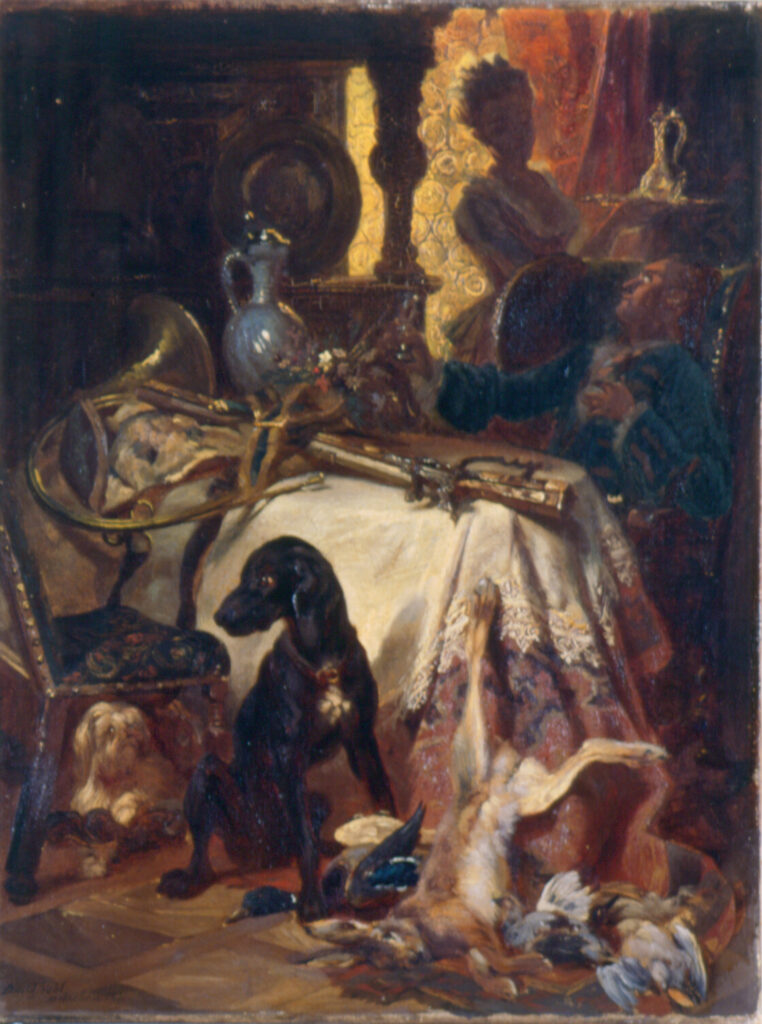
“There is a dim outline of some sort of a table with some dead animal or other hanging to one corner. The only object that is at all plain is a dog sitting in the foreground — & of all dogs only a poor forlorn miserable hound! I gave five dollars toward that picture, but, aside from the frame, I would not give five cents for it to hang in my kitchen. Well — it had the name of some great artist!” – Louisa Bailey, class of 1868, writing about Return from the Hunt by David Dalhoff Neal, July 22, 1887.